
Table of Contents
Installing floating shelves without visible brackets is a stylish and modern way to elevate any room’s design. These shelves create a clean, minimalist look while providing functional storage and display space. In this guide, we’ll walk you through how to install floating shelves securely, what tools and materials you’ll need, and share expert tips to help you achieve both stability and sophistication.
Discover more inspiring renovation and organization ideas in our Home Improvement category, where we share simple yet impactful upgrades to help you make the most of your home.
Understanding Floating Shelves and Their Modern Appeal
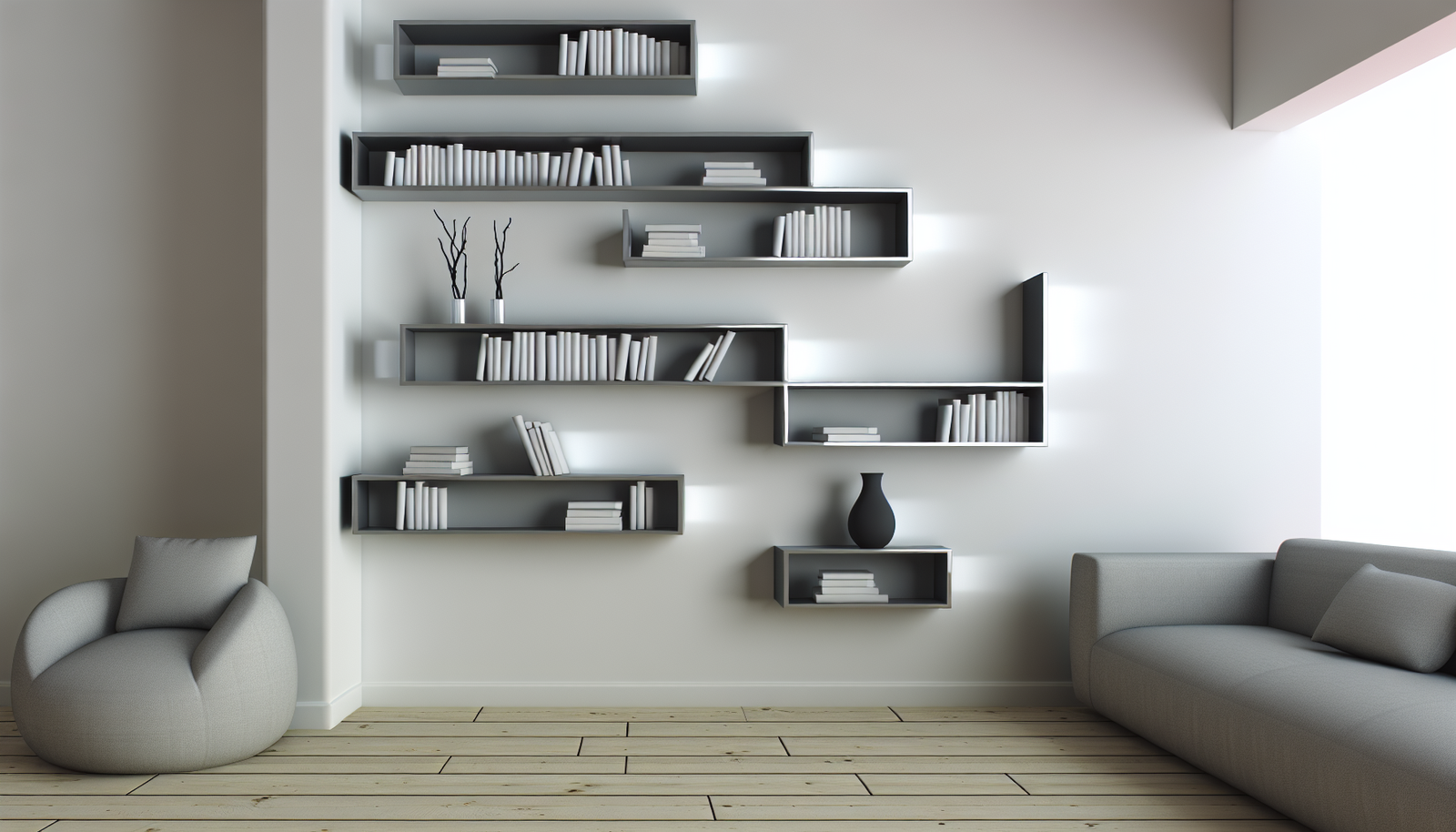
Floating shelves have become a favorite among interior design enthusiasts for their sleek, bracket-free appearance. Unlike traditional shelves that rely on bulky supports, floating shelves are mounted directly onto the wall, giving the illusion that they’re “floating” effortlessly. This simple yet impactful design can instantly transform your space — making it feel more open, organized, and visually appealing.
The beauty of floating shelves lies in their versatility. Whether you’re decorating your living room, organizing your kitchen, or adding character to your bathroom, these shelves can adapt to nearly any style. Their smooth, seamless lines fit perfectly into both modern and transitional décor, offering a balance of elegance and practicality.
For homeowners who love clean design, floating shelves eliminate visual clutter by removing the need for visible brackets. The result? A polished, contemporary aesthetic that draws attention to your décor items rather than the hardware supporting them.
When it comes to materials, the market offers endless options:
- Solid wood floating shelves bring warmth and strength — great for holding books or ceramics.
- Engineered wood shelves provide a budget-friendly option with a consistent look and feel.
- Metal or glass floating shelves suit modern or industrial-style rooms, creating a bold statement or minimalist vibe.
Each choice affects not just the look but also the durability and weight capacity of your shelves. Choosing the right material ensures both long-lasting function and a design that complements your space beautifully.
Essential Tools and Materials for Floating Shelves Installation
To achieve that seamless “no bracket” effect, using the right tools and materials is essential. Proper preparation ensures your floating shelves stay level, sturdy, and stylish for years.
- Drill and Drill Bits: A reliable power drill is essential for both drilling pilot holes and driving screws into the wall. Choose drill bits suited for your wall type — masonry, wood, or drywall — to avoid damaging surfaces.
- Level: Ensuring your shelf is perfectly horizontal is non-negotiable for both aesthetics and function. A bubble level or digital level helps you avoid unsightly tilting and keeps your display items secure.
- Stud Finder: Locating wall studs provides maximum strength, particularly for heavier shelving or when you intend to display substantial items. Electronic or magnetic stud finders help identify these support points quickly and accurately.
- Measuring Tape and Pencil: Precise measurements and clear markings ensure your shelf sits at your intended height and is spaced correctly if mounting multiple shelves.
- Screws and Wall Anchors: Use heavy-duty screws paired with suitable wall anchors if you cannot anchor directly into studs. Plastic, metal, or toggle bolt anchors distribute the weight and reduce the risk of shelf failure over time.
- Mounting Hardware: Floating shelves typically require specialized mounting rods or concealed brackets. Choose manufacturer-recommended hardware rated for your shelf’s weight and length.
- The Shelf: Select a well-constructed shelf with a solid core or engineered to accept concealed mounting rods. Quality construction prevents warping and preserves the clean floating illusion.
Opt for sturdy, premium materials and always check hardware weight ratings to safely support both the shelf and your intended contents. Careful preparation at this stage paves the way for a smooth, secure installation.
Step-by-Step Guide to Installing Floating Shelves Without Brackets
Installing floating shelves without brackets adds modern elegance to any space, but achieving that flawless, “floating” look requires accuracy and patience. With the right tools and technique, you can create a sturdy, seamless shelf that looks professionally installed.
Start by carefully choosing where your floating shelves will go. Consider wall height, spacing, and how they’ll align with nearby furniture or décor elements. Use a stud finder to locate wall studs — these provide essential support for the shelves. Mark the stud positions with a pencil, then measure where each mounting rod or screw will go. Ensure the intervals match the shelf’s internal mounting holes precisely. Using a level, draw a light, straight line across your marks to guide even installation — this step prevents slanted or uneven shelving.
Next, drill holes at each marked stud location using the correct drill bit size recommended by your mounting hardware. Clear any dust from the holes for a tight, secure fit. Screw in the mounting rods or dowels until they’re perfectly straight and firmly attached to the wall. These rods form the invisible structure that gives floating shelves their strength and stability.
Once the hardware is in place, slide the shelf carefully onto the rods. Check alignment with your level and make minor adjustments before tightening any set screws. Be careful not to overtighten, as it could strip the threads or damage your wall. After installation, test stability by lightly tapping the shelf — it should feel firm, balanced, and well-anchored.
This meticulous step-by-step process ensures your floating shelves are not only visually appealing but also structurally sound, ready to display decor, books, or essentials with confidence.
Ensuring Strength and Stability for Floating Shelves
To keep your floating shelves strong and safe — especially when supporting heavier items — reinforcement is key. The strength of bracket-free shelves relies on hidden mounting systems and precise engineering, not just the wall itself.
The most important component is the internal mounting plate or rail system hidden within the shelf. This system distributes weight evenly and secures the shelf firmly to the wall. Always attach the mounting plate to studs using heavy-duty screws. If the studs don’t align with your desired shelf position, use toggle bolts or metal drywall anchors rated for the expected load.
Proper weight distribution is essential. Avoid placing all heavy items on one side; instead, spread the weight evenly along the shelf. This prevents sagging and extends the life of your installation.
Each floating shelf has a weight limit — check the manufacturer’s specifications or use online load calculators if you’re building DIY shelves. For safety, always stay under the maximum weight recommendation.
Over time, perform routine checks. Tighten any loosened screws, inspect for tilting, and adjust the load if needed. By taking these preventive steps, your floating shelves will remain sturdy and stylish for years.
Creative Ways to Decorate and Style Floating Shelves
Once your floating shelves are installed, it’s time to make them shine! Beyond storage, they’re powerful design tools that bring depth, personality, and functionality to your home.
In living rooms, arrange books, small sculptures, or framed photos in a mix of heights and textures. Use the “rule of three” for balance — group items in odd numbers and vary their shapes for a more natural aesthetic. Stick to a consistent color palette or material tone for harmony.
In kitchens, floating shelves are perfect for displaying plates, mugs, or glass jars. Combine functionality and beauty by mixing everyday items with decorative touches like plants or cutting boards. Open shelving can make small kitchens feel larger and more welcoming.
For bedrooms, consider floating shelves above the bed or dresser to hold keepsakes, jewelry stands, or reading material. In bathrooms, use them to organize essentials like towels and toiletries, adding candles or greenery for a spa-like vibe.
Play with symmetry and asymmetry to define your design style — symmetrical setups feel calm and structured, while staggered arrangements give a modern, playful energy. Change decor seasonally or by mood, experimenting with different materials such as wood, metal, or glass to create dimension and depth.
Ultimately, well-styled floating shelves can transform a blank wall into a curated focal point that reflects your unique personality.
Conclusion
Installing floating shelves without brackets is a rewarding DIY project that combines style and practicality. With careful planning, proper tools, and attention to detail, you can create beautiful, sturdy shelving that enhances any space. Whether you use them for decoration or function, floating shelves add timeless elegance and smart storage to your home.