
Table of Contents
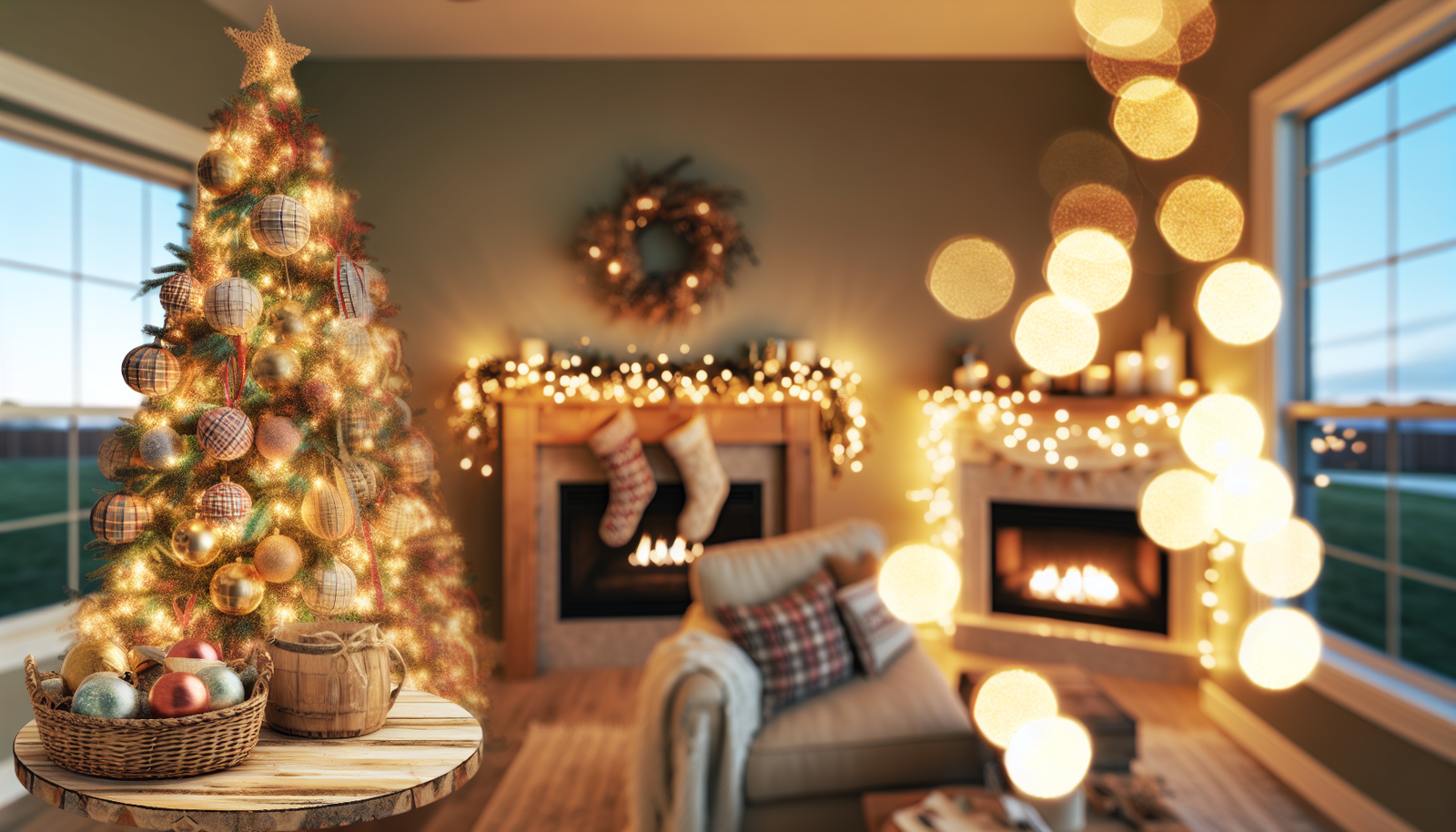
Transform your space this holiday season with thoughtful Christmas decor that blends style, safety, and eco-conscious choices. This comprehensive guide covers everything from trending color schemes and room layouts to Christmas tree decorating, outdoor light installations, and sustainable DIY Christmas decor projects. Just as strategic bedroom lighting creates the perfect ambiance year-round, proper holiday lighting design elevates your entire home during the festive season. Discover practical Christmas decor tips, budget-friendly ideas, safety guidelines, and actionable strategies to create a cohesive, festive look that works beautifully in any home.
Picking a Theme and Color Palette
Establishing a cohesive Christmas decor theme and color palette forms the foundation of stunning holiday design. A unified color scheme ties together all your Christmas decor elements—from indoor displays to outdoor installations—creating visual harmony that elevates your entire space and ensures every angle is picture-perfect for holiday gatherings and social sharing. Strategic Christmas decor color choices tell a compelling story while preventing visual chaos, transforming each room into an Instagram-worthy showcase.
For 2024 and 2025, Christmas decor trends embrace rich, sophisticated palettes. Explore these carefully curated Christmas decor color combinations and their unique atmospheres, complete with practical styling suggestions for each:
- Classic Red and Green: Warm, joyful, always inviting. Pair velvet tree skirts with matte-finish red baubles, 2- or 3-inch tartan ribbons, and traditional gold-accent ornaments for heirloom vibes.
- Moody Jewel Tones: Opulent, dramatic, luxurious. Blend sapphire and emerald glass ornaments, deep plum velvet ribbons (1.5-2 inches wide), and metallic tree toppers for elegant living rooms.
- Soft Neutrals with Metallics: Serene, luminous, modern. Mix champagne and ivory bulbs with 2-inch mesh gold ribbon, mercury glass figurines, and faux fur tree skirts for a chic entryway.
- Cottagecore/Natural: Whimsical, cozy, earthy. Use wood slice ornaments, linen bows (about 2 inches), pinecone garlands, and hand-knit tree skirts for a kitchen or breakfast nook.
- Vintage Pastels: Nostalgic, playful, charming. Accent bubblegum pink and mint ornaments, iridescent tinsel, and lace ribbons (1 inch) with crocheted tree skirts for kids’ rooms or a reading nook.
Here are five sample palettes with HEX codes and use ideas:
- Crimson & Gold: #C21807, #F5E8C6, #D4AF37. Use for main living spaces or the mantel; rich red and gold shine in firelight.
- Midnight Jewels: #003366, #4B2067, #2A8C82. Dramatic on large trees or statement wreaths in grand rooms.
- Soft Winter Glow: #F2F1EE, #BDAF97, #D7D5D3. Perfect for bedrooms or a powder room for light, airy elegance.
- Woodland Moss: #507255, #8B6F4A, #736964. Ideal for the dining area or entry hall, especially when paired with real greenery.
- Retro Frost: #B2D6FF, #F7C6CE, #A69CAC. Adds whimsy to playrooms, window sills, or tabletop trees.
To select the perfect palette, assess your space:
- What are your year-round wall and furniture colors?
- How much natural and artificial light fills the room?
- Do you want cozy intimacy (choose dark, dense colors) or bright openness (lean pastel or metallic)?
- How much display space is available—will large ornaments crowd or anchor your arrangement?
Palette decision checklist:
- List existing decor and dominant tones.
- Note room lighting—does it make cooler or warmer hues pop?
- Measure primary decorating areas for scale (tree height, mantle length, doorway width).
- Choose 1-2 accent shades and anchor them with a base neutral or metallic.
For staging, boost photo and search appeal by playing with strong contrasts—mix glossy baubles with matte ribbons, use bold-color ornaments as focal points amid subtle backgrounds, and layer different textures (think feathered picks or knit garlands). Large, statement pieces (like a 6-inch velvet bow or oversized mercury glass ball) should be spaced visually to draw the eye. Prioritize strategic lighting to highlight your favorite details.
Quick action checklist:
- Snap a photo of your room—use it to virtually test color combos.
- Pick two trend palettes that fit your vibe and start a shopping list for each.
- Gather a few sample ribbons or ornaments and try them in your target space before buying in bulk.
Planning Layout Budget and Safety
Planning your Christmas decor transformation begins with accurate measurements and strategic layouts. Before purchasing any Christmas decor items or lighting, start with a thorough space assessment and sightline evaluation. Identify your Christmas decor priorities—should your entryway make the first impression, or does your living room deserve centerpiece status? Armed with measuring tape and a notepad, walk through each area and create a purpose-driven Christmas decor checklist. Use this room-by-room Christmas decor planning worksheet:
- Measure primary focal points (doorways, mantels, stairwells, windows, tree location)
- Note ceiling height and available plug points
- Map sightlines from main seating/viewing angles
- Rank decorating priorities (e.g., main tree, outdoor accents, mantel, secondary nooks)
- List existing decor inventory versus wishlist items
- Draft rough budget for each area (tree, lights, feature decor, tabletop accents)
For budgeting, keep realism and enjoyment in balance. Small setups (tabletop tree, 1–2 window displays, basic wreath): expect to spend $50–$150 for basics from stores like Target or Home Depot. Medium homes with a 6’–7′ tree, coordinated indoor/outdoor lights, a wreath and stockings: $200–$450. Large spaces or statement projects with pre-lit trees, lawn displays, full garlands and professional delivery/installation: $600–$1,500+. Save by sourcing off-season, using LED string lights (energy cost: ~$1 per month per strand), and repurposing natural elements. Splurge on items you’ll reuse for years—a full-sized artificial tree or heirloom wreath.
Safety shapes an easy, worry-free season. Always select lights labeled UL (Underwriters Laboratories) or CSA. For outdoor displays:
- Use only outdoor-rated extension cords and lights
- Plug into GFCI-protected exterior outlets
- Stabilize lawn figures using ground stakes
- Keep connections above ground and sealed from moisture
Indoors:
- Do not place live or artificial trees near fireplaces, radiators or heaters
- Anchor large trees (locking stand for safety, add cord for pets/kids if needed)
- Use flameless LED candles wherever possible
- For real candles: place in sturdy holders, away from drapes and traffic paths
Installation Safety Checklist:
- Test each light strand before hanging
- Check for cracked wires or broken sockets
- Secure heavy decor to walls/surfaces
- Keep plugs where they won’t be tripped over
Daily Safety Monitoring:
- Turn off all lights before bed or leaving home
- Check tree water daily (real trees)
- Inspect for loose plugs or unstable décor
Don’t overlook post-holiday planning. Store lights in spool cases ($10–$18 each, search “holiday light storage reels”), and buy stackable bins for ornaments. Reserve $25–$50 for future repairs, glue guns or replacement bulbs. Well-organized storage protects next year’s budget.
Anchor text suggestions: holiday lights safety, small space holiday planning, budget Christmas decor, storage bins for ornaments, outdoor holiday extension cords.
Indoor Styling and Tree Techniques
- Great holiday interiors delight the senses—layering lighting, texture, and scale makes a room glow with warmth and dimension. Start by considering natural and artificial light: mix ambient, accent, and twinkling tree LEDs for depth. Add tactile coziness—chunky knits, velvet, metallic and natural elements—while using decor with varying heights and grand gestures (like a tall tree or dramatic garland) to balance space and style.
- Christmas Tree Styling: Step-By-Step
- 1. Choose your tree: Decide between real (for classic pine scent, search “fresh cut tree local delivery”) or artificial (for ease, search “realistic artificial Christmas tree pre-lit”).
- 2. Match tree height to room: Ideal is 6–12 inches below your ceiling. Measure ceiling height; search “7.5′ slim tree” for apartments or “9′ full tree” for larger rooms.
- 3. Flare and shape branches: Fluff inner and outer tips for fullness—start from trunk out.
- 4. Stabilize the base: Use a wide, locking stand for safety; anchor with discreet wire if children or pets are present.
- 5. Light it perfectly:
- Opt for LEDs (long life, low heat); target 100–150 lumens per foot of tree height.
- Use the wrap technique: start at base and spiral upwards, tucking lights inside and out for depth.
- Bulb spacing: 4–6 inches for dense, 8–10 inches for airy look. Mix warm white (2,700–3,000 Kelvin) for classic coziness, cool white (4,000–6,000 Kelvin) for crisp modern.
- Plug into a surge-protected power strip and daisy-chain only manufacturer-approved maximums.
- Ornament Layering & Placement
- Ornament types:
- Filler: low-cost balls or shapes for inner branches (50% of ornaments; “shatterproof ornament bulk”)
- Feature: large, textured, or statement pieces (25%; “oversized Christmas ornaments”)
- Sentimental: heirlooms, crafts, or kids’ art (25%)
- Placement:
- Start with fillers deep inside, then features at eye level, ends, and prominent spots. Balance sizes and alternate shiny (60%) and matte (40%) for light play.
- Ribbon & Topper Techniques:
- Ribbon: Drape vertically or tuck spirals between branches—secure ends inside tree.
- Topper: Use a sturdy anchor; for bows, fluff loops and wire in for drama; for a star, ensure balance and straightness.
- Ornament types:
- Beyond the Tree: Room Styling Templates
- Mantel: Layer garlands (“pre-lit faux garland”), stagger candles (battery-operated for safety), and hang stockings with secure hooks.
- Entryway: Cluster lanterns, a mini tree or oversized ornament bowl; accent with “festive rug entry mat”.
- Dining table: Low vase with winter greens and pinecones, scatter ornament clusters, battery fairy lights.
- Small spaces: Try wall trees (“wall-mounted Christmas tree”), tabletop trees (“2′ pre-lit tree”), or draped garlands framing a mirror or window.
- Room templates:
- Small: Tabletop tree, narrow garland, window lights
- Medium: 6-7′ tree, mantel garland, single wreath, dining centerpiece
- Large: 8–9’ tree, doubled garlands, stair banister accents, multiple seating area vignettes
- Accessibility & Safety
- Anchor the tree to wall if children or pets are present; use “anti-tip tree anchor”.
- Choose non-breakable (“shatterproof Christmas ornaments”) and unbreakable hooks for lower branches.
- Keep electrical plugs and cords out of reach and tamper-protected.
- Use flame-resistant decor and avoid candles near flammables.
- Photographic Styling Tips & Keywords:
- Stage with varied textures (knits, glass, greenery), staged gifts, and soft lamp glow for photos.
- Use keywords: “modern Christmas tree decor”, “cozy holiday mantel”, “small space Christmas decorations”, “shatterproof ornament set”, “battery fairy lights”.
- Troubleshooting:
- Lights flicker: Check connections, replace faulty strands
- Visible tree gaps: Fluff branches and fill with extra filler ornaments or wired picks
- Tree leans: Reinforce or level base; anchor as needed
- Overloaded outlet: Redistribute strands and use surge protectors
- Ornaments slip: Use secure wire hooks or twist ties for heavier items
Outdoor Lighting and Curb Appeal
Outdoor decorating starts with smart planning and preparation to create a dazzling yet safe holiday display. Begin by mapping your home’s features:
- Walk your property: Note possible display zones—front door, roofline, windows, trees, bushes, pathway, mailbox.
- Measure line lengths: Use a measuring tape for distances along gutters, ridges, bannisters, and garden borders.
- Decide your focal point: The front entry or a prominent feature is ideal for the brightest or most decorative lights.
- Template Checklist:
- Roofline: _____ feet
- Front door area: _____ feet
- Trees/shrubs: count per plant
- Pathway: _____ feet
- Extension cords needed: _____
- Total light strands/net lights needed: _____
Choosing your lights is key for impact, efficiency, and safety. Compare options:
- String LEDs: Energy-saving (5–7W per 100 lights, ~40–100 lumens/foot), available in various color temperatures.
- Net lights: Best for bushes/hedges, same wattage as strings, even coverage.
- Icicle lights: Ideal for rooflines; look for sealed LEDs for weather protection.
- Floodlights: Highlight walls/trees (10–20W LED, up to 2000 lumens).
- Pathway lights: Solar or low-voltage, 1–10W each, set for warm (2700–3000K) or cool (4000K+) effect.
- Solar options: Reduced wiring, check for sufficient winter sunlight in your region.
Match color temperature (warm white vs cool) for curb harmony and avoid clashes with existing fixtures.
Follow these installation best practices:
- Clips and fasteners: Use gutter or shingle clips—avoid staples or nails that damage surfaces or wires.
- Ladder safety: Set on stable, leveled ground. Never overreach; always have a spotter for multi-story installs.
- Extension cords: Outdoor-rated only; check amp/watt limits match your total lights. Use GFCI-protected outlets.
- Timers/smart plugs: Set displays for dusk-to-11pm; consider motion sensors for low-traffic areas to conserve energy.
Step-by-Step Checklist:
- Test each strand before hanging.
- Install mounting hardware or clips securely.
- Hang lights starting nearest the outlet to avoid stretching cords.
- Layer and tuck cords away from foot traffic.
- Plug in, test, and set timers.
Account for weather and compliance:
- Check lights for IP44 or higher waterproof ratings.
- Add surge protectors, especially for larger setups or when using inflatables.
- Consult a licensed electrician for high, awkward roofline installs or if local codes require permits for temporary wiring.
For curb appeal:
- Layer lights: Combine string and net for dimension.
- Symmetry & motion: Balance both sides of entry; add twinkle or moving snowflake projectors for lively impact.
- Focal highlights: Outline the door/window; accent planters and mailbox with battery twinkle lights or seasonal wrap.
- Winter greens: Fill urns with pine, berry, and illuminated branches.
- DIY idea: Wire a cluster of battery micro-lights into holiday planters or twist extra LED strands around porch handrails for a polished look.
- Cost Estimate Table:
- Basic DIY (roofline, doorway, 2 bushes): $60–$120
- Decorative (multi-story home, pathway, starter inflatables): $200–$400
- Professional install (large home with removal): $500–$2,500
Sustainable DIY Ornaments Storage and Year Round Care
- Choosing sustainable Christmas decor is as much about reducing holiday waste as it is about cost savings and environmental stewardship. With millions of ornaments disposed of each year, focusing on DIY holiday ornaments using natural or upcycled materials helps minimize landfill burden. Opting for eco friendly holiday crafts not only adds personality to your festive space but also ensures traditions last for years—one thoughtful choice at a time.
- DIY Project 1: Dried Citrus Slice Ornaments
- Materials: Oranges, lemons, parchment paper, baker’s twine (less than $5, 2 hrs incl. drying)
- Steps: Slice citrus, blot dry, bake at 200°F for 2-3 hrs, thread with twine.
- Skill: Easy, kids to advanced.
- Variations: Add star anise or cinnamon sticks for scent, try grapefruit for bold color.
- Photo tip 1: Hang near a window for sunny backlight; alt: closeup of citrus ornament glowing on tree.
- Photo tip 2: Display in a rustic wood bowl; alt: dried citrus displayed in bowl, cozy indoor setting.
- DIY Project 2: Nature-Inspired Evergreen Bundles
- Materials: Pine sprigs, rosemary, twine, scrap fabric ($0-3, 30 min per bundle)
- Steps: Gather sprigs, tie with twine or wrap with recycled ribbon.
- Skill: Beginner.
- Variations: Sprinkle with biodegradable glitter or dried berries.
- Photo tip 1: Attach to mantle garland; alt: evergreen bundle ornament on fireplace garland.
- Photo tip 2: Lay flat on place settings for dinner; alt: green bundle atop holiday plate.
- DIY Project 3: Upcycled Fabric Tree Shapes
- Materials: Old shirts, scissors, needle, thread, buttons ($0 if on hand, 1 hr each)
- Steps: Cut two tree shapes, sew together, stuff with fabric scraps, decorate with buttons.
- Skill: Intermediate.
- Variations: Sew by hand or machine; add lace trim for vintage effect.
- Photo tip 1: Style as a cluster of similar shapes; alt: multiple fabric tree ornaments hanging on branch.
- Photo tip 2: Photograph one on cozy knitted throw; alt: closeup of fabric tree ornament on blanket.
- DIY Project 4: Reclaimed Wood Stars
- Materials: Pallet wood scraps, saw, sandpaper, twine, natural stain ($2-5, 1.5 hr)
- Steps: Cut wood into stars, sand, stain, drill hole, add twine loop.
- Skill: Advanced DIY.
- Variations: Add hand-lettered wishes or yarn wraps.
- Photo tip 1: Hang at various heights for visual interest; alt: wood star ornaments at varied heights on tree.
- Photo tip 2: Style on a tray with pinecones; alt: wood stars with pinecones on wooden tray.
- DIY Project 5: Folded Star Paper Ornaments with Eco Glitter
- Materials: Recycled paper, ruler, scissors, clear glue, biodegradable glitter ($1-4, 40 min/ornament)
- Steps: Fold paper into stars using origami method, brush edges with glue, sprinkle glitter.
- Skill: Beginner to intermediate.
- Variations: Try newsprint or brown kraft paper, larger sizes for windows.
- Photo tip 1: Hang several in front of a window; alt: paper stars sparkling in window light.
- Photo tip 2: Arrange flat on white linen; alt: paper star ornaments grouped on fabric.
- Sourcing Guidance:
- Scout thrift stores, online marketplaces and neighborhood swaps for secondhand ornaments and trimmings. Choose items labeled “non-toxic,” “recycled content,” “compostable,” or “FSC certified” for true eco-friendly claims. To sanitize: soak non-porous decor in warm soapy water, wipe fabric items with diluted vinegar, and sun-dry when possible.
- Smart Storage and Year-Round Care Checklist:
- Choose reusable plastic bins (16-22 qt size) for durability; nested or cardboard dividers minimize jostling.
- Layer ornaments in acid-free tissue with egg cartons or cup trays for fragile items.
- Add bay leaves or cedar chips to deter pests.
- Label containers by room or ornament type; inventory in a notebook for easy next-season planning.
- Inspect and spot clean decor in spring and fall; repair or re-glue as needed.
- Ideas for Donating, Gifting, and Repurposing Decor:
- Donate unneeded ornaments to senior centers or holiday drives. Gifting? Wrap favorite DIY ornaments with a handwritten note. Repurpose by turning old baubles into wreath centerpieces or as vase fillers in non-holiday months.
Steps: 1) Clean ornaments, 2) Sort by reuse intent, 3) Individually wrap, 4) Drop off/deliver, or 5) Update with touches for year-round decor.
- Donate unneeded ornaments to senior centers or holiday drives. Gifting? Wrap favorite DIY ornaments with a handwritten note. Repurpose by turning old baubles into wreath centerpieces or as vase fillers in non-holiday months.
- Five-Step Seasonal Maintenance Plan:
- 1. Inventory and clean ornaments post-holiday.
- 2. Repair damaged items before storage.
- 3. Store in climate-safe, labeled containers.
- 4. Inspect again mid-year for pests or mildew.
- 5. Plan donation or craft updates by October to refresh your sustainable Christmas decor collection.
Conclusions
A successful Christmas decor strategy combines a cohesive color palette, practical room layouts, and safety-conscious design with creative, eco-friendly elements. Apply these Christmas decor planning, styling, and lighting techniques to streamline your process, reduce expenses, and craft a joyful, secure holiday display. Proper Christmas decor storage and organization ensures your investment endures season after season. With these proven Christmas decor strategies, you can transform your home with confidence and establish evolving holiday traditions that grow more meaningful each year.