
Table of Contents
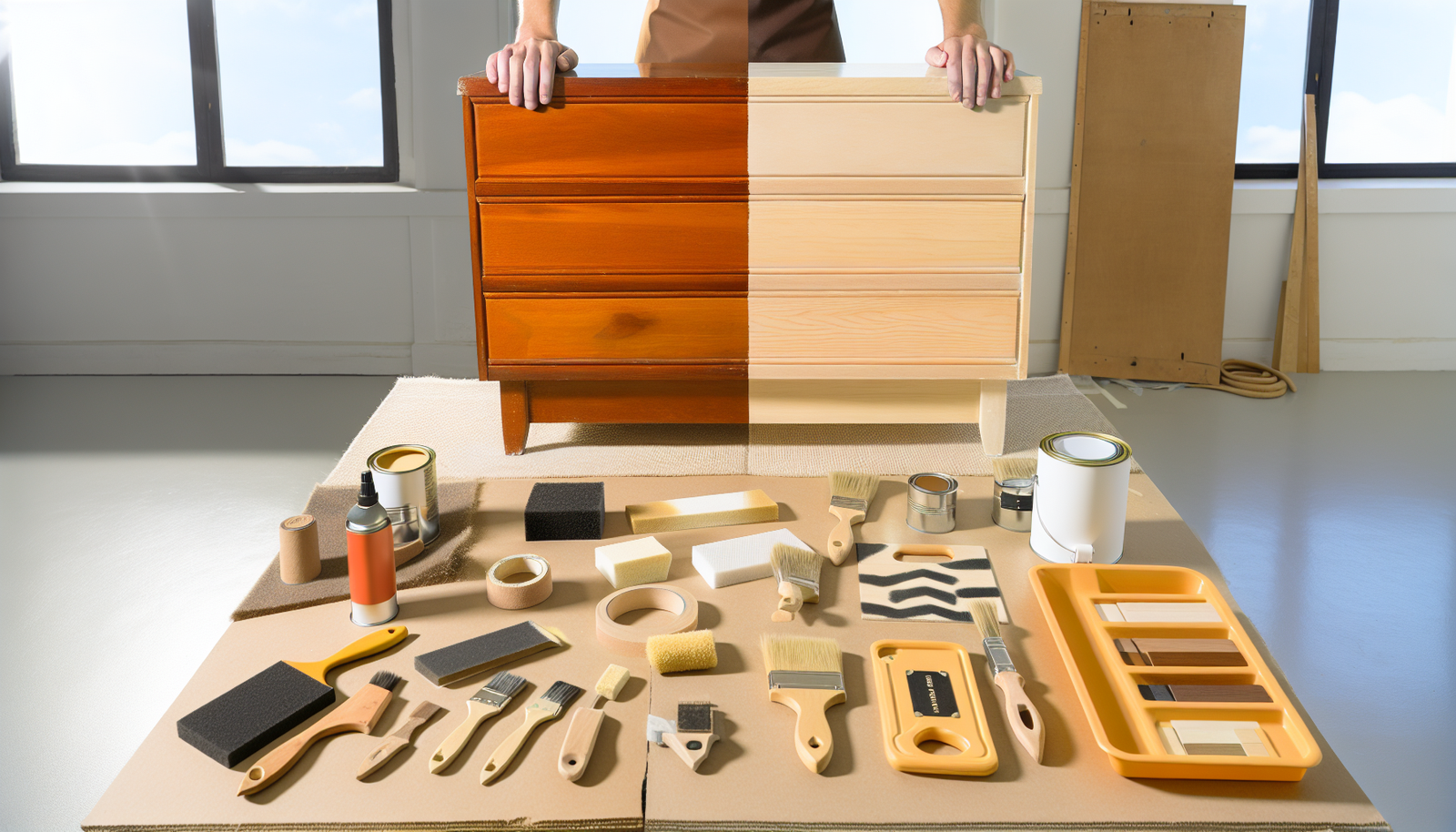
Painting wood furniture transforms tired pieces into stunning focal points while saving money and reducing waste. Whether you’re updating a vintage dresser, refreshing dining chairs, or reviving a wooden bed frame or headboard, this comprehensive guide to painting wood furniture covers essential surface preparation, paint selection, professional application techniques, and durable finishing methods. Learn step-by-step strategies for painting wood furniture that delivers long-lasting, beautiful results, plus tips for finding trusted local services through strategic “furniture painting near me” searches when DIY isn’t the right fit.
Preparing Wood Furniture for Painting
Assessment:
- Inspect the Structure: Carefully examine the wood furniture for any structural problems. Apply gentle pressure to test for loose joints, wobbly legs, or separated sections. If you discover damage, identify if the piece needs repair (e.g., tightening joints, re-gluing) or is beyond restoration and better replaced.
- Veneer and Surface Check: Scan surfaces for bubbling, peeling, or missing veneer. Minor veneer issues can be glued and clamped; large areas may require professional repair or replacement.
Cleaning:
- Degreasing: Always clean with a mild degreaser or vinegar-water solution. Avoid harsh chemicals; opt for TSP alternatives like Simple Green or Murphy’s Oil Soap for safer prep.
- Wax & Grime Removal: Remove wax with mineral spirits: dampen a soft cloth, wipe gently, avoiding saturation.
- Drying: Allow cleaned furniture to air dry thoroughly—typically several hours—before moving on. Lingering moisture interferes with sanding and priming.
Stripping vs Sanding:
- Chemical Strippers: Use when removing old paint/varnish with multiple layers or deep detail. Pros: Effective, less manual effort; Cons: Fumes, chemical hazards. Always work with gloves, goggles, masks, and plenty of ventilation.
- Sanding Guidance: If paint or finish is thin, sand instead. Start with 80 grit to remove roughness or finish, followed by 120 to smooth, 180 for fine sanding, and 220 for a silky texture. Sand with the grain. Use 120-to-220 grit for most wood furniture painting prep.
Filling and Repairing:
- Gap Filling: Use wood filler for small holes and dents. For deep cracks, use tinted epoxy filler to mimic grain. Let it dry, then sand smooth.
- Glue & Clamp: For loose joints, apply wood glue. Clamp until dry per instructions (often several hours). Wipe excess glue immediately.
Hardware Removal and Labeling:
- Remove all handles, knobs, hinges, pulls, and screws before painting wood furniture for a smoother finish.
- Label each set of hardware in bags or containers with masking tape so you know where they return post-painting.
Priming:
- When Primer is Needed: Use a primer when going from dark to light colors, over stains/knots, or painting bare or repaired wood.
- Primer Types:
- Shellac: For knotty pine or tannin-prone woods; blocks stains best.
- Bonding Primer: For laminate or slick surfaces.
- Oil-based: For maximum stain-blocking and traditional finishes; slower drying, higher VOCs.
- Water-based: For low odor and quick dry; ideal under water-based paint.
Copy-and-Paste Checklist:
- Tools: Sandpaper (80/120/180/220 grit), sanding block, putty knife, screwdrivers, pliers, clamps, tack cloth, utility knife.
- Consumables: Degreaser, mineral spirits, wood glue, wood filler/epoxy, primer.
- Safety Gear: Nitrile gloves, goggles, dust mask/respirator, apron, drop cloth.
Troubleshooting Prep Problems:
- Bleeding Knots or Stains: Use shellac-based primer to seal and prevent bleed-through.
- Uneven Sanding: Re-sand with fine-grit sandpaper (180 or 220); use a block to keep flat surfaces level.
- Surface Oils Resisting Paint: Rec-clean with degreaser, then a mineral spirits rinse.
- Visible Filler or Repairs: Feather filler edges during sanding; touch up with custom-tinted filler if staining rather than painting.
Choosing Paints Tools and Finishes
- Paint Chemistry and Choices:
- Water-based acrylic/latex: Fast-drying, low odor, easier cleanup with soap and water, excellent for most indoor furniture. Offers flexibility and resists yellowing, but not as hardwearing as some alternatives for high-traffic surfaces.
- Waterborne alkyd: Hybrid formula combining oil durability with water clean-up. Great for cabinets, dining tables, or pieces exposed to daily use. Smoother finish, but slightly pricier.
- Traditional oil-based: Superior hardness and durability, ideal for tops of dressers or chairs. Strong odor and requires mineral spirits for cleanup. Can yellow over time; longer dry/cure times may require more patience for painting wood furniture projects.
- Chalk paint: Popular for vintage or matte looks; needs a sealant (wax or polycrylic). Minimal prep required, but not as durable without topcoat. Best for accent pieces, not high-touch furniture.
- Milk paint: Environmentally friendly, nontoxic, and gives a unique rustic look. Must be mixed fresh, can chip or flake for intentional distressing. Good for antiques or softer aesthetics.
- Sheen and Finish Selection:
- Flat: Camouflages imperfections, suitable for low-traffic furniture; stains more easily.
- Satin: Most versatile for painting wood furniture — subtle sheen, cleans well, good for dressers and side tables.
- Semi-gloss: Durable and moisture-resistant, popular for kitchen chairs, trim, or tables. Highlights surface flaws if prep isn’t meticulous.
- Gloss: High shine, dramatic effect, best for statement pieces or modern looks; amplifies imperfections.
- Primers and Compatibility:
- Water-based primers pair with latex/acrylic and waterborne alkyds.
- Shellac or oil-based primers block stains and tannins; use before switching from oil to latex or on tricky wood types (like oak, pine, mahogany).
- Skip primer only if chalk or milk paint directs; otherwise, always prime to avoid adhesion issues.
- Tools Explained:
- Brushes: Synthetic bristles for water-based paints; natural bristles for oil-based or chalk paint. Choose angled brushes for detail, flat for large areas.
- Foam rollers/mini-rollers: Offer a smooth finish on flat surfaces like cabinet doors or table tops, minimize brush marks.
- Paint sprayers (HVLP for max control, airless for big projects): Sprayers provide pro-level smoothness, useful for multiple chairs or drawers; require masking and setup time.
- Sanding blocks: Essential between coats for smooth results.
- Tack cloths: Remove dust after sanding and before painting wood furniture for a flawless finish.
- Coverage and Quantity:
- Estimate paint needs by surface area: most paints cover 300–400 sq ft/gallon; one quart typically covers a dresser or 4–5 chairs.
- Plan for two coats, possibly a third for strong color changes. Err on the side of extra—touch-ups are always needed in furniture painting near me jobs.
- Measure each surface, multiply width x height, and total the square footage to calculate how much you need.
- VOCs and Environmental Considerations:
- Opt for low-VOC and zero-VOC paints to minimize odor and health impacts, especially for indoor use.
- Use water-based paints for easier cleanup. Dispose of unused paints responsibly; never pour down the drain.
- Milk and chalk paint are eco-friendly options for antique restoration and baby furniture.
Recommended Product Types:
- Primer (bonding, stain-blocking or shellac-based, depending on substrate and paint type)
- Waterborne alkyd or high-quality acrylic paint for high-use furniture
- Satin or semi-gloss finish for everyday pieces
- Synthetic brushes (angled and flat)
- Mini-rollers for doors and table tops
- Tack cloth and sanding block (220-grit between coats)
Example Shopping Lists:
- Dresser: Quart each of primer and paint, 220-grit sanding block, synthetic angled brush, 4” foam roller, tack cloth.
- Dining chair set (4): Quart primer, quart paint, synthetic round brush for spindles, 2” foam roller, HVLP sprayer if available, sanding block, tack cloth.
Durability and Finish Comparison:
- Water-based acrylic/latex — Good for indoor furniture, medium durability, easy care, soft to medium sheen available.
- Waterborne alkyd — Excellent durability, smooth feel, resists stains, holds up to cleaning and wear.
- Oil-based — Best for heavy use, but slower to cure and yellows over time, hard glossy finish.
- Chalk paint — Matte look, scuff-prone unless sealed, easy distressing.
- Milk paint — Unique aged effect, durable if sealed; best for artistic, rustic projects.
Techniques for a Professional Finish
Brushing technique:
- Cutting in: Use a quality angled brush to “cut in” along edges, corners, or curves. Dip only 1/3 of the bristles in paint, tap off excess, and gently guide the brush for crisp lines. Steady hands create cleaner transitions.
- Direction of brush strokes: Always work with the grain of the wood when painting wood furniture. On broad surfaces, use long, straight strokes. For tight spots, use shorter, gentle motions.
- Load and release: Don’t overload the brush. Dip, tap (not wipe), then start painting a few inches from the edge and work outward. This avoids “puddling” at the edge and minimizes brush marks.
- Avoiding brush marks: Maintain a “wet edge” and feather out any ridges before they set. Lightly drag the brush tip over the final pass to level out strokes.
- Brush care between coats: Wrap the brush in plastic wrap or foil to keep it from drying out during short breaks; wash thoroughly with appropriate cleaner when switching paint types or at day’s end.
Rolling and back-rolling:
- Rollers are useful for flat, broad surfaces like table tops or large drawer fronts. Use a high-density foam mini-roller for the smoothest results.
- Work in small sections. After rolling, immediately “back-roll” with a dry roller or brush in the direction of the grain to remove stipple and blend overlaps.
- Don’t press hard; use light, even pressure to avoid orange peel textures.
Spraying fundamentals:
- HVLP sprayers excel at smooth finishes. Set up in a dust-free area, mask all surfaces not being coated, and ensure good ventilation.
- Spray with the gun 6–10 inches from the surface. Keep the gun perpendicular, moving at consistent speed.
- Apply several thin passes, overlapping each by 30–50% to avoid striping.
- Typical air and fluid settings: start low and increase until you see a balanced spray (refer to the sprayer’s manual for specifics).
- Allow airborne paint to settle before removing masks; use a tack cloth to pick up any residue before recoating.
Sanding between coats:
- Start with 220-grit sandpaper between coats for most paints; go finer (320+) for ultra-smooth or high gloss finishes.
- Dry sanding is fastest; wet sanding with a damp sanding sponge almost eliminates dust and leaves a mirror-smooth finish, but surfaces must be completely dry before resuming painting.
- Wait at least the minimum dry time on the paint label (usually 2–4 hours for water-based, longer for oil-based); the surface should feel hard, not tacky, before sanding.
Special finishes:
- Distressing:
- Paint as usual, let dry fully.
- Sand edges/corners lightly with fine grit to expose wood or base color.
- Optional: Rub beeswax on areas you want heavily distressed before final color.
- Glazing:
- Apply base coat, let cure.
- Brush on glaze, push into details, wipe off excess with lint-free cloth.
- Layering colors:
- Apply base color, dry.
- Randomly brush on accent color with a dry brush.
- Soften with fine sanding for a blended effect.
- Antiquing:
- Base color layer, dry.
- Apply a diluted darker paint or pre-made antiquing glaze, especially in crevices.
- Wipe and feather as needed before curing.
- Stenciling:
- Secure stencil with painter’s tape.
- Use a stencil brush with minimal paint and pounce vertically.
- Peel stencil while paint is wet.
- Color blocking:
- Mark off areas with tape.
- Paint each section separately, allowing full drying before moving tape.
- Smooth edges with fine sanding after tape removal.
Common problems and fixes:
- Drips: Let dry, then sand level and touch up with thin coats.
- Orange peel: Caused by spraying too far away or heavy rollers—sand lightly, reduce thickness, and adjust technique.
- Tacky spots: Wait longer for drying, improve airflow and humidity, and avoid thick coats.
- Uneven sheen: Usually from missed areas or uneven sanding; touch up bare spots and feather gently.
Step-by-step: painting a drawer front:
- Remove hardware and clean.
- Sand surface smooth.
- Apply primer, dry 1 hour.
- First coat: brush or roll with the grain, let dry 2–4 hours.
- Sand with 220-grit, remove dust.
- Second coat: apply, smooth any defects. Dry fully.
Step-by-step: painting a chair seat:
- Remove from chair if possible; clean and sand.
- Prime and let dry for recommended time.
- Brush or spray a thin coat, let dry 2 hours.
- Light sanding, then recoat.
- Check for consistent coverage and smoothness; add a third coat if needed.
Checklist before sealing:
- Surface smooth and dust-free?
- No visible brush marks or stipple?
- Consistent color and sheen on all sections?
- Fully dry as per paint label?
- All special finishes completed?
Using these techniques helps ensure that whether you’re tackling painting wood furniture yourself or hiring “furniture painting near me” pros, your results will rival professional finishes and be ready for long-lasting protection.
Sealing Maintenance and Long Term Care
Sealing painted wood furniture properly is essential for beauty and durability. Choosing the right topcoat and caring for surfaces will help your hard work last for years, whether you finished a DIY project or used a “furniture painting near me” service. Below are key tips for sealing, maintaining, and protecting painted wood furniture for optimal results.
- Topcoat options explained:
- Water-based polyurethane: High clarity, low yellowing risk, dries quickly, and low odor. Great for light paints; apply 2-3 thin coats.
- Oil-based polyurethane: Extremely durable but can amber over time. Ideal for dark paints or wood stains; use 2 coats for most projects; longer dry time between coats.
- Conversion varnish: Professional-grade, extremely hard; best sprayed by pros, as found through “furniture painting near me.” Rarely yellows, use 2 coats; extended cure time.
- Lacquer: Popular for commercial finishes. Dries fast and smooth but can be tricky for beginners. Use with proper ventilation and spray application; 3-4 thin coats.
- Beeswax/paste wax: For chalk paint; offers a soft sheen and touch. Less durable but easy to repair. Buff two thin coats for best effect.
- How to apply topcoats:
- Brush for small pieces and details; use synthetic brushes for water-based finishes and natural bristle brushes for oil-based.
- Sprayer yields smoothest surface for large areas or whole-piece coverage.
- Wipe-on (for some polys/oils) gives control, especially on flat surfaces. Always sand lightly with fine grit (220-320) between coats for best adhesion. Respect recommended dry times: typically 2-4 hours for water-based, 12+ for oil-based.
- Everyday care and cleaning:
- Use a gentle, damp microfiber cloth; mild dish soap diluted in water works for cleaning.
- Avoid bleach, ammonia, harsh chemicals and abrasive tools that can scratch and damage finishes.
- For high-use surfaces (tables, desk tops), use placemats or coasters, and clean spills promptly.
- Minor repairs and touch-ups:
- For chips, gently sand and spot prime before using matching paint. Feather out the edges for invisible blending.
- Wood putty fills dents; color-matched pencils can conceal minor scratches. A fine tip brush helps blend in new paint without visible seams.
- Preventing damage:
- Keep furniture away from direct sun and heat sources, which can cause warping or fading.
- Use felt pads under accessories and under feet to prevent scratches.
- Manage humidity—use dehumidifiers or air conditioning to prevent swelling or splitting.
- Refinishing timeline:
- Spot repairs are fine when there’s minor scuffing or isolated chips.
- Consider full refinishing when there’s widespread wear, peeling, or if the topcoat no longer repels moisture.
Maintenance schedule:
- Weekly: Dust with microfiber cloth.
- Monthly: Inspect for chips or worn spots; clean with mild soap.
- Annually: Reapply wax if needed on chalk-painted pieces; check topcoats for dullness or failure.
Recommended product types:
- Water-based polyurethanes (e.g., Varathane, General Finishes)
- Paste wax for chalk paint (Annie Sloan, Minwax)
- Mild, non-abrasive household cleaners, such as diluted dish soap or Method Wood Cleaner
FAQ:
- Will my topcoat yellow? Water-based polys and quality conversion varnishes rarely yellow; oil-based urethanes and some lacquers can amber over time.
- How soon can I use my furniture? Most water-based coats are touch-dry in 1–2 hours, safe for light use after 2–3 days, and fully cured after 2–4 weeks.
- What if I spot a scratch? Use matching paint for touch-ups, let dry, then lightly topcoat the area to blend.
- When should I call a pro? For widespread failure or complex finishes, search “furniture painting near me” for quality repairs.
Finding Furniture Painting Near Me and Hiring Local Pros
- Searching effectively for “furniture painting near me”: Start by entering targeted keywords into your favorite search engine or Google Maps. Try phrases such as furniture restoration, custom furniture painting, cabinet refinishing, or specify your item, for example, dresser painting or antique wood chair restoration near me. Use map filters to show only businesses with high review counts and positive ratings. Look for extensive before-and-after photos, well-described service pages, and clear explanations of what’s included. A strong online portfolio should show a range of styles and surfaces, so you can gauge both the quality and suitability for your needs.
- SEO and local signals: Top pros rank high in “furniture painting near me” searches thanks to recent positive reviews, photo galleries, detailed service descriptions, and verified local citations (like addresses and Google Business listings). Businesses with fresh reviews, well-maintained websites, and active social profiles tend to be more established and reliable.
- Questions to ask a prospective professional:
- Are you insured and licensed for furniture painting or restoration?
- Can you provide local references and portfolio samples?
- What is the estimated timeline for my project?
- How do you prep surfaces and what brands/types of paint or sealers do you use?
- Is there a written warranty or guarantee on your work?
- How do you dispose of stripped finishes or old paint?
- Pricing models and estimates:
- Many charge per-piece for items like chairs ($90–$200), dressers ($200–$600), or dining tables ($400–$1,000+).
- Hourly ($40–$85/hr) or per-project models are common for larger or custom requests.
- Detailed carvings, stripping old finishes, or custom colors raise costs.
- Comparing quotes: Build a checklist to compare on:
- Prep steps: sanding, cleaning, priming
- Number of primer/paint/topcoat layers
- Topcoat type and sheen
- Pickup and delivery fees
- Timeline and terms of payment
- Preparing for service: Label and package removable hardware and drawers. Clear space for in-home work, cover floors, and communicate expectations (desired sheen, touch-up needs, or pet/kid safety).
- Red flags & dispute resolution: Avoid pros with incomplete contracts, no references, or vague schedules. Insist on detailed, written agreements and documented communications for unresolved issues.
Sample request quote template: Hello, I’m interested in painting wood furniture and found your listing under “furniture painting near me.” Could you please provide a quote and timeline for refinishing my [furniture piece]? I’d love to see some similar before-and-after photos and get information on your prep process, paint products, and warranty. Thank you!
Checklist for vetting reviews:
- Are there recent, detailed reviews (not just star ratings)?
- Do happy customers mention communication and meeting expectations?
- Are there specific before-and-after photos posted?
- Do responses from the business show professionalism?
Negotiation tips:
- Ask if there’s flexibility on price for multiple items.
- Inquire about off-season discounts.
- Request written itemized estimates for clarity.
Conclusions
Painting wood furniture offers an affordable way to revitalize your home’s aesthetic, whether you tackle it yourself or search “furniture painting near me” to find professional help. Successfully painting wood furniture requires thorough surface preparation, selecting compatible paints and protective finishes, and applying proven techniques that ensure long-lasting durability and stunning results. When hiring local painting services, carefully review portfolios, ask detailed questions about their wood furniture painting process, and compare itemized quotes to secure the best value and professional-quality finish.