
Table of Contents
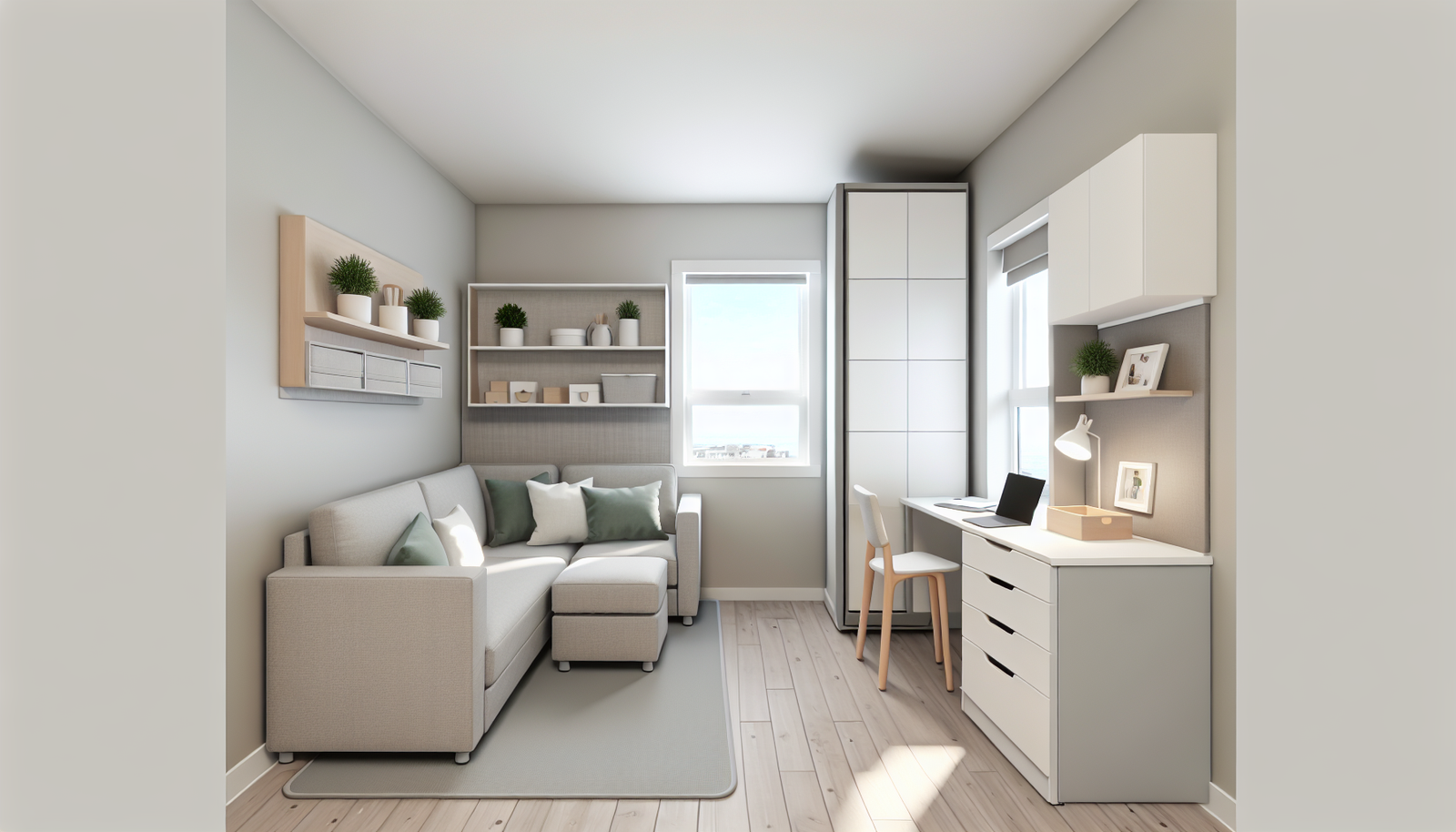
Living comfortably in a small space means thinking vertically, choosing multifunctional furniture, and planning precise layouts. This article explores storage strategies, compact sofas and recliners, space-saving tables and desks, and tips for small event setups. Just as selecting the right rug size creates visual balance in bedrooms and living rooms, choosing properly scaled furniture for small spaces ensures functionality without overwhelming your area. You’ll get actionable guidance on dimensions, materials, and styling to make tight living rooms, micro-apartments, and compact event areas feel roomy and functional.
Principles of Designing Small Living Spaces
- Taking Measurements and Creating Scale Drawings
Start by measuring every wall, window, and door in your living spaces using a tape measure. Remember to note obstructions like radiators or soffits. Convert these figures into a simple scale drawing on graph paper or a digital tool—use a 1:20 or 1:25 ratio, where 1 inch or 1 centimeter stands for 20 or 25 in real life. Precise measurements are essential for selecting furniture for small spaces like compact sofas, a small couch, a small sectional, tables for small spaces, or even a desk for small spaces. - Planning Circulation and Flow
Maintain clear walkways of at least 24–30 inches (60–75 cm) to ensure movement throughout your small living areas. For busy zones—such as between the small recliner and the coffee table, or next to the entrance—elbow room feels more open and prevents stumbles. Map out traffic paths on your plan, ensuring you never block the route with a bulky couch for small spaces or misaligned tables for small spaces. - Managing Sightlines and Choosing a Focal Point
Select a focal wall (window, TV, or art) and arrange your furniture for small spaces around it to draw eyes through the space, preserving openness. Place your small couch or sectional opposite the focal point. Keep low-profile or leggy pieces along the sightlines—such as a storage ottoman or small furniture for small spaces—to emphasize airiness. - Expanding Space with Color, Light, and Mirrors
Use pale wall colors, minimal patterns, and layered artificial lighting (floor lamps and sconces) to brighten the atmosphere. Place mirrors across from windows to double daylight and visually enlarge even tiny living spaces. - Perfecting Scale and Proportion
Always choose compact, multiuse furniture. For a 250 sq ft studio, opt for a small sectional (60″x35″/152×89 cm), nesting tables, and a wall-mounted desk (36″x18″/91×46 cm), allowing for a 30″ (75 cm) walkway. In a 350 sq ft one-bedroom, combine a 72″x35″ (183×89 cm) compact sofa, a 30″x30″ (76×76 cm) convertible table, and a small recliner—maintain 28″ (71 cm) clearance. For a 500 sq ft apartment, accommodate a 80″x36″ (203×91 cm) sofa, 42″x28″ (107×71 cm) dining/work table, and define yoga/guest zones with furniture on casters for agility—always guard at least 24″ (61 cm) of circulation. - Multi-Functional Zones and Flexible Layouts
Anchor a living area with a small sectional that doubles as guest bedding, utilize a folding desk for small spaces for work/day transformation, and install mobile tables for small spaces that can be stowed away at night. In small event spaces, modular seating and movable tables redefine the room for gatherings or quiet time, using storage for small spaces to tuck away clutter and maximize every inch.
High-Impact Storage Solutions and Compact Furniture Types
When maximizing every inch in small living spaces, strategic storage for small spaces and smart furniture choices make all the difference. Built-in solutions like under-bed drawers—typically 30–40 in (76–102 cm) wide, 6–8 in (15–20 cm) high—provide up to 4–6 cu ft (113–170 L) of storage. Look for solid wood or engineered panels rated for at least 40 lbs (18 kg). *To prevent floor scratching, opt for felt-bottomed drawers; on carpeted floors, plastic casters work well.*
Storage ottomans—cube types around 17–20 in (43–51 cm) square—offer concealed 2–3 cu ft (56–85 L) capacity. Most support 200–250 lbs (90–113 kg); leather or tightly woven fabrics are durable, but wipe regularly to avoid stains. Wall-mounted cabinets and open shelving can free up valuable floor space. *Typical shelves range from 24–36 in (61–91 cm) wide; install into wall studs for safety, using anchors for drywall only if stated weight limits won’t be exceeded (usually up to 15 lbs/6 kg per shelf).* Vertical shelving towers, 12–16 in (30–41 cm) wide, 5–6 ft (152–183 cm) tall, maximize upward space and are great for books or decor; secure to the wall for tip-over prevention.
Slim wardrobes (under 24 in/61 cm deep) provide compact clothes storage. Choose sturdy MDF or metal frames, above 75 lbs (34 kg) weight limit, and make sure doors swing freely (allow at least 24 in/61 cm clearance). Over-door organizers, holding small accessories or shoes, are ideal for small furniture for small spaces needs, typically 18 in (46 cm) wide, hanging from standard doors; distributed weight should not exceed 15 lbs (6.8 kg).
Increasingly, furniture for small spaces such as sofas and benches now incorporate hidden storage, with seat lifts or drawers integrated underneath—look for models rated for at least 100 lbs (45 kg) evenly distributed. For desks and tables for small spaces, nesting or drop-leaf types (24–36 in/61–91 cm wide) collapse for flexibility. Modular, stackable furniture lets you layer or nest tables, stools, and benches, achieving density without clutter—combine open cubbies (12–15 in/30–38 cm cubes) in various colors for a tailored look.
Shopping budgets:
- Economy: $50–$300 (particleboard, polyester, basic finishes)
- Mid-range: $300–$750 (solid wood, metal, leather-touch fabric)
- Premium: $750–$1,500 (sustainable woods, artisan upholstery, high-durability coatings)
Choose hard-wearing, easy-clean finishes; opt for FSC-certified woods, recycled plastics, or powder-coated metal to promote sustainability.
Quick audit checklist:
- Are you using vertical wall space efficiently?
- Is underutilized space beneath seating and beds optimized?
- Can you swap out single-purpose for multiuse or modular furniture?
- Do you have open shelves or baskets that can be stacked, nested, or wall-mounted?
- Do entryways and doors have untapped organization potential?
Choosing Seating Smartly Small Sofas Couches Sectionals and Recliners
- Differences and Use-Cases: A small sofa or small couch—usually under 72 in (183 cm) long—is ideal for compact living rooms where seating for two or three is needed without crowding. Loveseats span 48–66 in (122–168 cm), fitting into narrow nooks or as secondary seating. Small sectionals with a chaise run from 80–96 in (203–244 cm) overall, providing more lounging for roughly the same footprint as a sofa plus ottoman—excellent when a room’s shape encourages corner seating. Small recliners and recliner chairs work well for solo relaxation, requiring as little as 28–35 in (71–89 cm) width, but need 5–12 in (13–30 cm) back clearance for full reclining.
- Convertible and Multiuse Options: In very limited spaces, consider sofa beds, futons, or a sleeper small sectional. Storage sofas with under-seat drawers or lift-up chaises add everyday utility.
- Essential Characteristics: Prioritize seating with raised legs to allow light flow—making rooms feel larger—and slim or narrow arms to maximize the sitting surface. Modular options let you adapt layouts for small event spaces or changing needs. Slim profiles (less than 36 in / 91 cm deep) help open up traffic paths.
- Fabrics and Finishes: Go for tight-weave, stain-resistant fabrics that repel spills, and opt for lighter colors for a sense of airiness. Performance velvet, microfiber, and high-quality polyester blends offer both durability and easy cleaning.
- Pros and Cons: Foam vs Down Cushions
- Foam: Firm support, holds shape, low maintenance—but can feel less plush long-term.
- Down: Luxuriously soft, molds to you—but needs regular fluffing and may sag in heavy use zones.
- Pros and Cons: Hardwood vs Plywood Frames
- Hardwood: Sturdy and long-lasting, resists warping, but heavier and costly.
- Plywood: Lightweight, more affordable, decent strength (if high-grade), but may flex over years.
- Layout Tips: Float a small couch for small spaces just off the wall with a compact coffee or nesting tables for flexible surface area. Stage chairs and a small recliner at angles to facilitate conversation. For small event spaces, add folding or stackable stools and upholstered cubes—easy to store yet stylish when circulating guests.
Tables Desks and Work Surfaces for Tight Footprints
Choosing the right table for small spaces or a desk for small spaces means balancing usable surface, flexibility, and traffic flow without cluttering the room. Drop-leaf and fold-down tables, as well as wall-mounted or Murphy-style desks, are excellent for multipurpose zones—leaves or tops tilt out of the way when not in use and reclaim valuable square footage.
- Nesting tables offer scalable surface area; stack when not needed and separate for guests or snacks. Expandable dining tables can start at 28–32 in (71–81 cm) square for two and extend to seat four. For eating nooks or compact living spaces, round tables—36–40 in (91–102 cm) diameter—make traffic flow easier in tight corners and soften the look.
- Compact desk ergonomics are essential. Aim for 20–24 in (50–60 cm) desk depth so the monitor is at a comfortable distance and you have enough work surface. Leave 30–36 in (76–91 cm) behind the desk for chair clearance. Consider a narrow standing desk alternative or wall desk for flexible, health-conscious work corners.
- Event layouts for 8–12 guests in small event spaces demand lightweight folding tables—rectangular ones at 24 x 48 in (61 x 122 cm), or cocktail ledges that can be moved as serving needs shift. Modular banquet tables (16–18 in / 41–46 cm wide) create multiple configurations.
- Cable management, lighting, and storage are crucial for a desk for small spaces that sits in a living area. Use under-desk trays, clamp-on lamps, and integrated drawers or wall caddies for supplies to keep surfaces tidy.
Criteria for tables for small spaces include durable but lightweight material (powder-coated steel, solid or engineered wood), foldability for quick storage, and scratch-resistant, light-reflective finishes. Budget ranges from flat-pack basics to compact designer pieces; secondhand finds can be upgraded with new hardware or finishes.
- Multiply surface utility with trays for flexible use, stackable tables, and small carts to serve as temporary nightstands, bars, or buffet lines.
- Choose tables for small spaces that leave ample walkways—at least 24 in (61 cm)—and that echo your sofa’s lines for harmony. Avoid sharp corners in high-traffic paths.
Buying Styling and Maintenance Strategies to Keep Small Spaces Functional
- Pre-purchase checklist (measure twice, buy once): Before investing in any furniture for small spaces—like a sofa for small spaces, a small sectional, or a desk for small spaces—measure every access point from the street to your living areas. That includes not just doorways, but also elevators, stairwells, and hallway turns. Confirm the maximum clearance for each section and double-check with the manufacturer’s exact dimensions. Ask if the sofa or small recliner comes in modular or knock-down form for easier delivery.
- How to prioritize purchases: Anchor your living spaces by first buying essential seating, such as a small couch, modular sectional, or small recliner. Follow with smart storage—think ottomans or benches that open, and slim shelving units. Once the seating and storage are set, layer in a table for small spaces: a nesting coffee table, wall-mounted fold-down dining table, or a compact multiuse table. Only then should you address accent décor or secondary furniture for small spaces.
- Styling tips for visual openness: Select small furniture for small spaces with legs to raise pieces off the floor and reveal more of your continuous flooring. Use low-profile rugs and stick to a cohesive, light-hued color palette to keep rooms feeling airy. Avoid heavy drapes or patterns that interrupt sightlines.
- Cleaning and maintenance plans: Regularly vacuum fabrics and rotate cushions on sofas and small couches to prevent uneven wear. For small recliners and sofa beds, lubricate mechanisms quarterly and tighten fasteners annually. Clean and occasionally wax hardware on folding desks or tables to ensure longevity.
- Budgeting and sustainability: Browse online classifieds and secondhand markets for durable, gently used furniture for small spaces. Prioritize FSC-certified wood and modular items that can be reconfigured to grow with your changing needs. Durable pieces save money and reduce waste.
- Quick hacks and DIY ideas: Add caster wheels to narrow bookcases or utility carts for instant moveable storage. Retro-fit under-bench bins in entryways or bedrooms. Mount floating shelves for impromptu event-ready serving stations and to keep tables for small spaces clutter-free.
- Prioritized action plan:
- Measure all access points and layout openings
- Shop for primary seating scaled for your space
- Add modular storage and multiuse tables for small spaces
- Apply visually light and cohesive styling
- Set up a regular maintenance calendar
- Hunt for durable, sustainable, and flexible furniture for small spaces
- Try simple DIY upgrades for added function
- Resource search terms: “sofa for small spaces,” “modular small sectional,” “small recliner,” “narrow console table,” “folding desk for small spaces,” “storage ottoman,” “multiuse table,” “floating shelf,” “FSC-certified small furniture,” “budget furniture for small living spaces.”
- Staying disciplined with these actionable strategies will help keep small living spaces functional, flexible, and inviting, while making every inch count with smart, sustainable furniture for small spaces and savvy small furniture for small spaces selections.
Conclusions
Maximizing a small space is a mix of smart measurement, the right multifunctional pieces, and thoughtful styling. Prioritize vertical storage, choose appropriately scaled seating and tables, and use light colors and leggy furniture to preserve visual openness. Implement the strategies and product guidelines here to create a liveable, adaptable environment that supports daily life and occasional entertaining without sacrificing comfort or style.